

In this article
- A planned litter starts a year before the heat
- The tests come before the mating, not after the criticism
- Pregnancy and whelping have a vet in the plan
- The first eight weeks shape the whole dog
- The planned litter chooses the family; the accidental one chooses the payment
- The two litters, side by side
- The cheap puppy that costs dearly has a known address
- The five questions for the first conversation
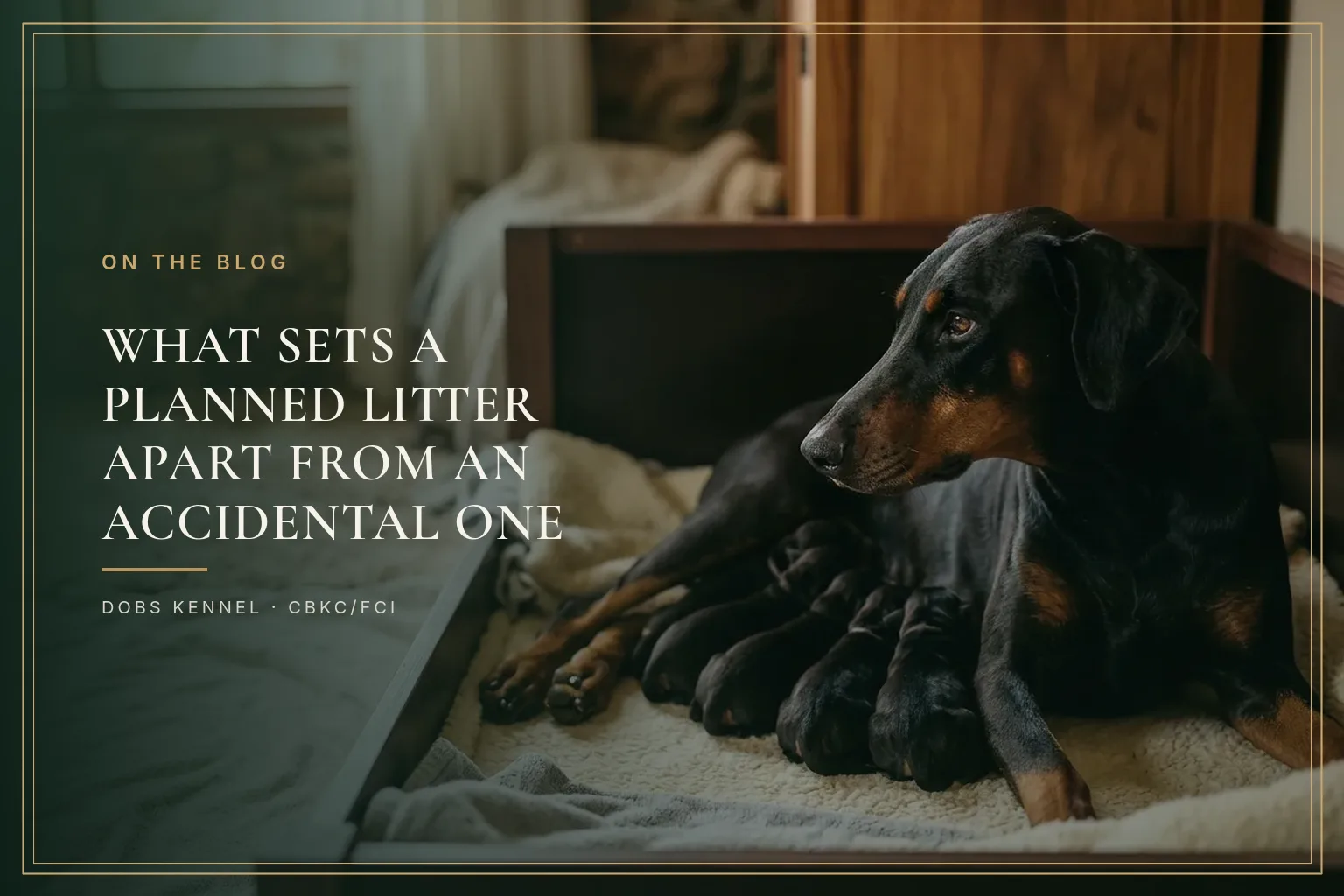
The difference between a planned litter and an accidental one doesn't show up in the travel crate: it shows up over the next ten years. Puppies from any origin are equally adorable at 60 days old, and that is exactly why so many people buy badly. This article opens up the process behind a real litter, stage by stage, so you know what you are paying for when you pay for a puppy from a serious kennel, and what you are gambling on when the ad looks too good.
A planned litter starts a year before the heat
A responsible litter is born on paper: the breeder studies the pedigree of both dogs looking for a common ancestor, compares temperaments (the insecure female is not mated to the reactive male, however good the structures are), and asks what each genetic family brings in documented health. In our house, bringing Eros and Kira together followed that rule: two families with no common ancestor across the registered generations, temperaments that complement each other, and the tree published champion by champion for anyone to check. An accidental litter starts a different way: it happened, and now it has to be sold.
The tests come before the mating, not after the criticism
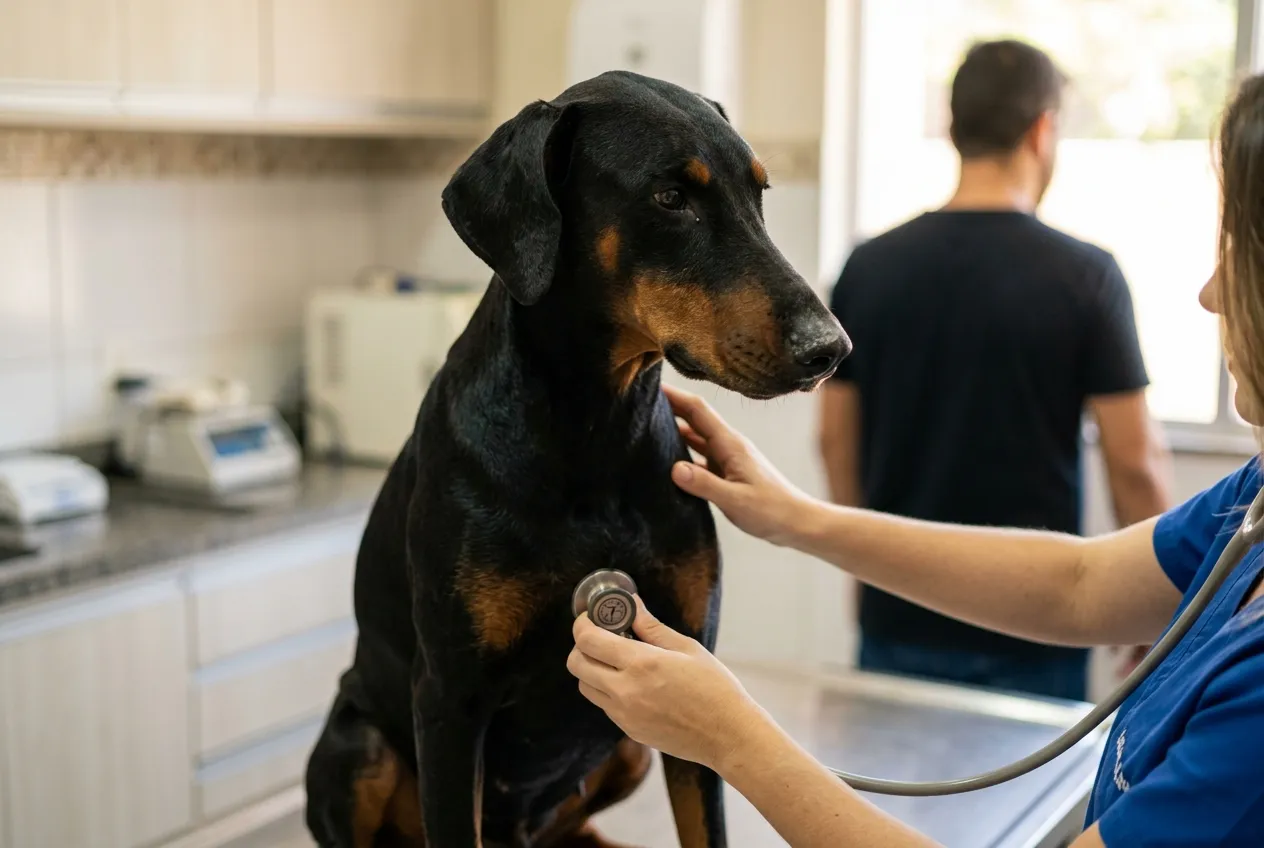
A large breeding dog works with his body: dysplasia, the heart and the breed's hereditary diseases have to be checked before puppies exist, because afterwards it is too late. The minimum package expected for a Doberman includes cardiac evaluation (the absolute priority in this breed), hip radiographs and the honesty to say what is done and what is scheduled. A breeder who answers "my line is healthy" with no paper in hand is asking for a leap of faith, and faith is not a document.
Pregnancy and whelping have a vet in the plan
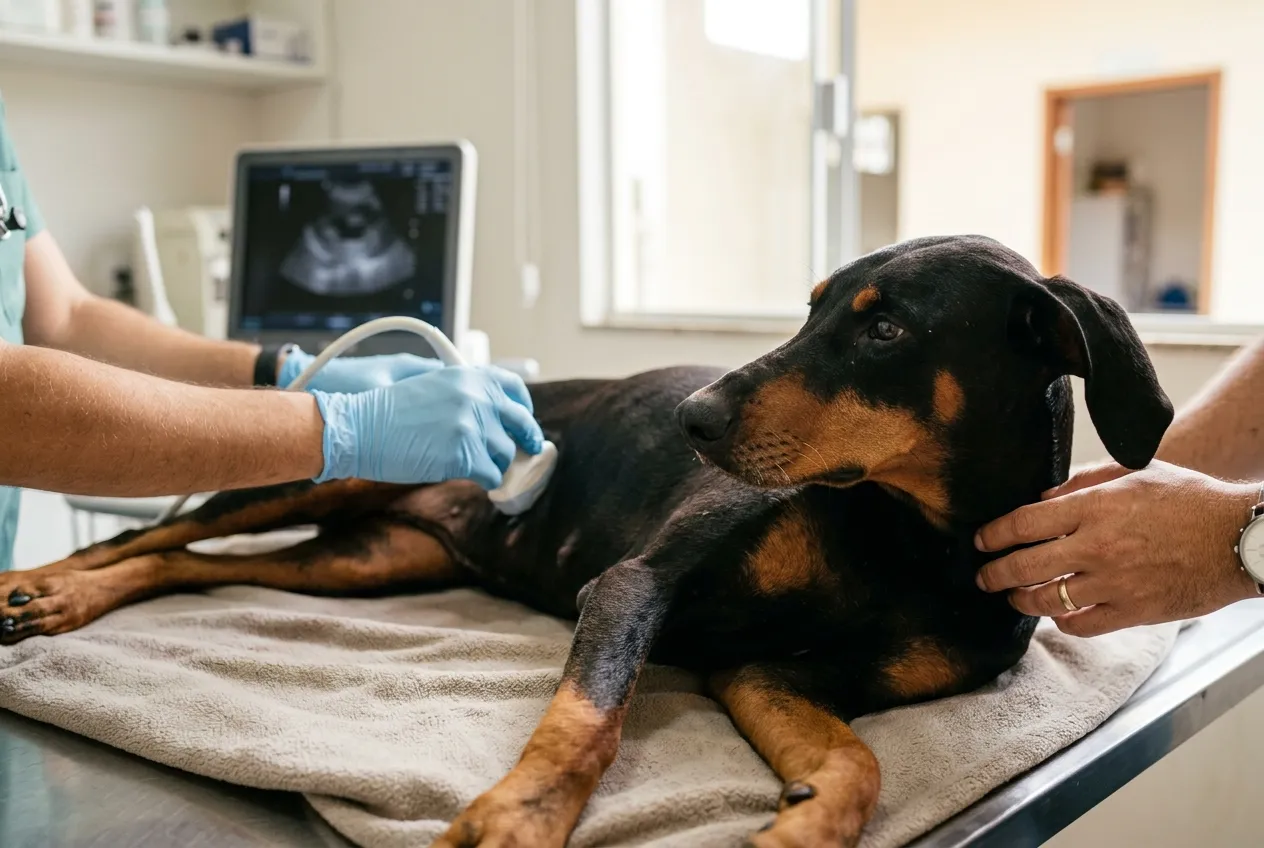
A planned litter has ultrasound confirmation, an adjusted diet for the dam, a prepared whelping area and a vet on call. It sounds like a detail until the first complication: whelping in a large breed can need an emergency cesarean, and the difference between having a plan and not having one is the life of the dam and of the puppies. After the birth, daily weighing, temperature control and worming on set dates, all written down, because a serious puppy record starts before the buyer exists.
The first eight weeks shape the whole dog
The most important window in a puppy's life begins inside the kennel: daily handling from the first days, household sounds, different surfaces, people of all kinds, and staying with the dam and the littermates until at least 60 days, because she is the one who teaches bite inhibition and dog language. A puppy taken away too early so someone can "make the most of the cute phase" arrives home with lessons missing that no trainer gives back in full. What to do at home from that point on is in our guide to socialization in the first 12 weeks.
The planned litter chooses the family; the accidental one chooses the payment
The part that surprises newcomers most: a serious kennel interviews the buyer too. Not out of arrogance, but because giving back a one-year-old Doberman that went wrong is a tragedy for everyone, and preventing it costs one conversation. Expect questions about routine, space, experience with the breed; expect a contract with written guarantees; expect an open door to visit and to meet the dam. In the accidental ad, the only question is the method of payment.
The two litters, side by side
| Stage | Planned litter | Accidental litter |
|---|---|---|
| Choosing the pair | Pedigree, health and temperament studied | Whichever dogs were around |
| Tests on the parents | Before the mating, with a report | Rare, or "they're healthy, trust me" |
| Pregnancy and whelping | Followed by a vet | However it turns out |
| First 8 weeks | Structured socialization, dam present | Delivered as soon as possible |
| Choosing the family | Interview, contract, lifelong support | Whoever pays first |
| Price | Reflects the real cost of the process | "A bargain", and the bill arrives later |
Swipe the table sideways to see all the columns.
The cheap puppy that costs dearly has a known address
The puppy from the ad costs a third of the price because the process above was cut, and every cut comes back as a vet bill, a behaviorist's fee, or a heart that fails at six years old. We did that arithmetic in detail in why cheap costs more in this breed, and the full script for telling a breeder from a seller is in how to recognize a serious kennel. If you are only starting the search now, the complete puppy guide ties the ends together.
A planned litter is not perfection: it is auditable responsibility. Ask for the paper, visit, ask questions. A real breeder likes a demanding buyer, because it is the sign that the puppy is going to a house that takes this seriously.
The five questions for the first conversation
If this article turns into one single practical action, let it be this list, the questions we make a point of being asked and that take a seller apart in minutes:
- "Why were these two dogs mated?" Whoever planned it answers with pedigree and temperament; whoever didn't answers "because they're beautiful".
- "Can I see the parents' test reports, with the dates?" The question that separates paper from promise.
- "How old is the puppy when it goes home?" Under 60 days is a cut in the schooling; a serious breeder doesn't hand one over before that.
- "Can I visit, or have a video call with the dam and the litter?" A closed door is a complete answer.
- "What happens if I can no longer keep the dog?" A real breeder answers "he comes back here", because responsibility doesn't expire on delivery.
None of these questions requires technical knowledge, and all of them work over the phone. The reaction on the other end is worth more than the answer: whoever works properly likes a demanding buyer, and whoever improvises changes the subject or rushes the closing. Rushing, in fact, is the signature of the accidental litter: the puppy "needs to go soon", the discount "is only for today". A good puppy is never on clearance.
About the author
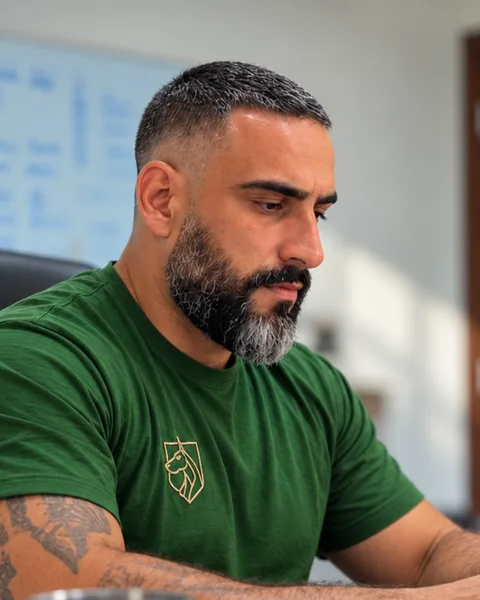
Marcelo Vaz
Entrepreneur and founder of Dobs Kennel
Marcelo Vaz is an entrepreneur and the founder of Dobs Kennel, a Doberman kennel in Nísia Floresta (RN), Brazil. As a boy, he already knew which dog he wanted. That passion for the Doberman stayed with him over the years and became the kennel he now runs with the seriousness of someone who waited a long time for it. “We are not veterinarians, but we study every subject in depth and only write what is backed by science and reliable sources,” he says.
- RegistryCBKC / FCI
- Kennel nameImperio Real Norte
- WhereNísia Floresta, RN
Keep reading


Comments
Ask the breeder directly. Every comment is moderated before it appears, and your email is never published.
Be the first to comment: ask the breeder directly.